
This project focused on the experimental processing technology for butterfly pea flowers and seeds, conducted by Industrial Engineering students at Universitas Atma Jaya Yogyakarta. The initiative aimed to investigate and optimize processing parameters in accordance with herbal plant processing principles, providing students with hands-on experience in the intersection of agriculture, technology, and sustainable production within the Industry 4.0 framework.
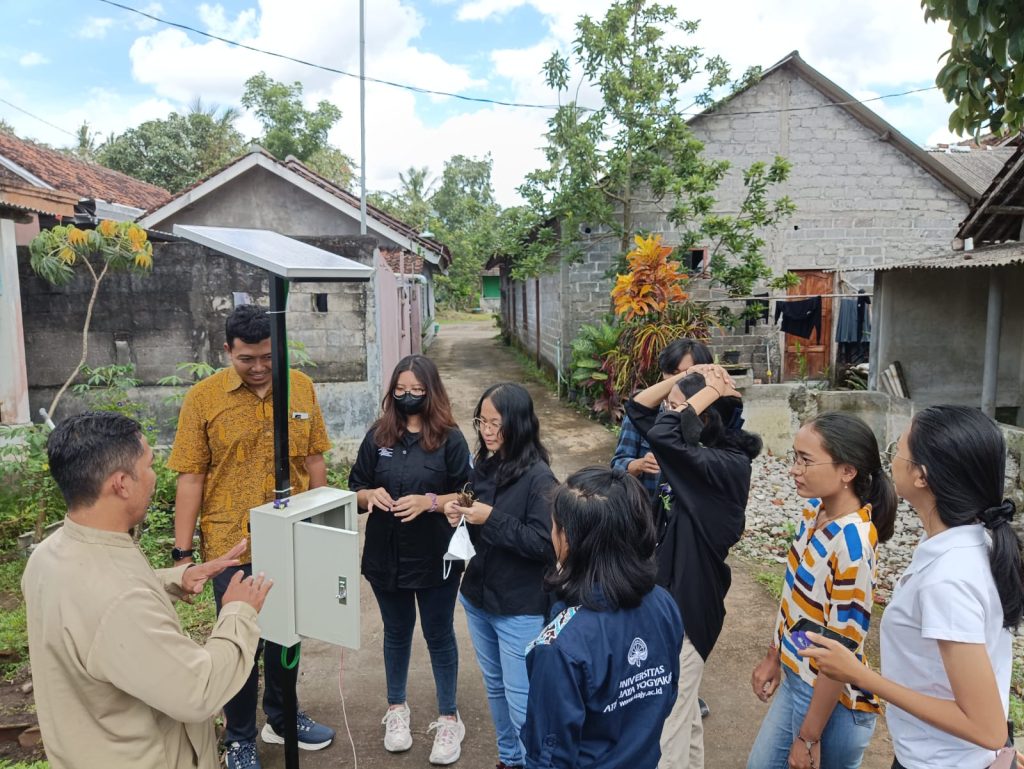
The project was structured over a single semester, following a systematic syllabus that integrated technical learning with project management. Students began with project explanation and planning, utilizing tools such as Work Breakdown Structure (WBS) and RACI matrices to define objectives, assign responsibilities, and establish a clear timeline. This structured approach ensured organized execution and fostered collaborative teamwork across disciplines.
Key learning objectives included understanding the organic characteristics of butterfly pea flowers and seeds, mastering the operation of specialized drying and crushing machines, and developing proficiency in machine maintenance techniques. These goals emphasized both technical competence and the application of engineering principles to botanical processing—a relevant skill set in the growing herbal and natural products industry.
The core of the project consisted of iterative experimentation and process improvement, spanning several weeks. Students engaged in repeated trials to refine parameters such as drying temperature, duration, and crushing methods to maximize product quality and yield. This experiential phase allowed participants to apply theoretical knowledge, collect empirical data, and adapt processes based on real-time feedback.
Durability testing and parameter verification were conducted to identify optimal processing conditions and ensure machine reliability. These tests provided critical insights into the efficiency and consistency of the drying and crushing systems, leading to data-driven refinements that enhanced both process stability and product standardization.
In the final stages, students evaluated the processed butterfly pea products, assessing factors such as color retention, nutritional content, and shelf stability. The findings were compiled into a comprehensive final report and presented as part of the project’s culminating evaluation, demonstrating students’ ability to analyze results, draw conclusions, and communicate technical outcomes effectively.