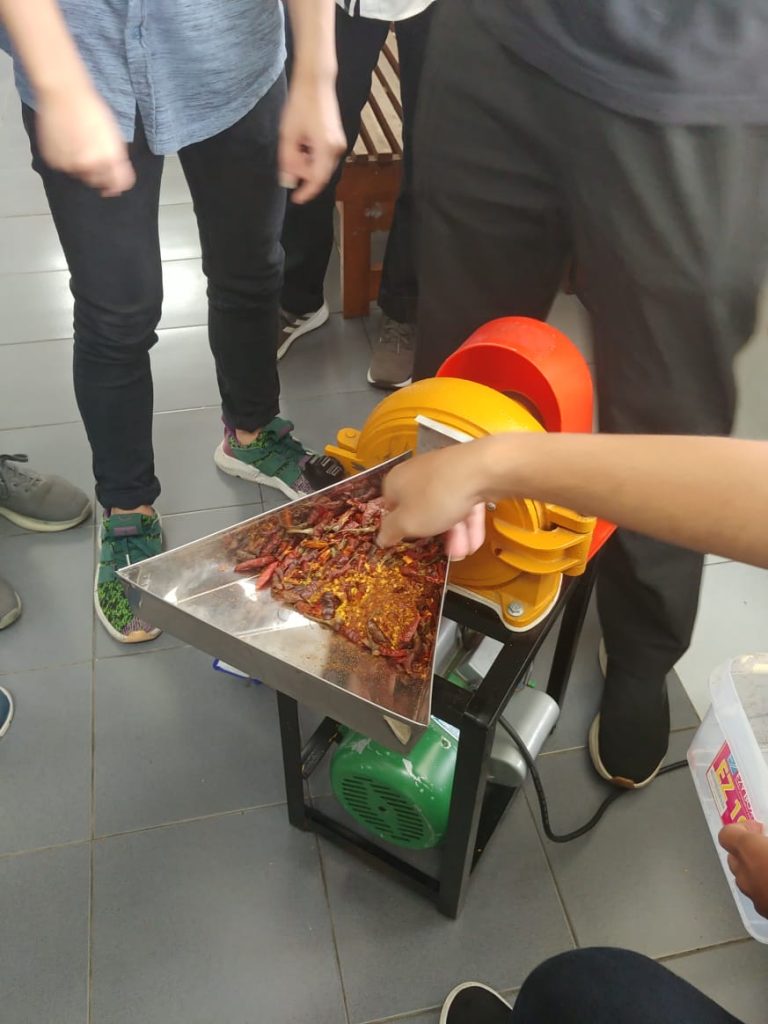
This project focused on the design, fabrication, and testing of a specialized machine for producing chili powder, conducted by Industrial Engineering students at Universitas Atma Jaya Yogyakarta. The initiative aimed to provide hands-on, experiential learning in line with Industry 4.0 technologies, allowing students to apply theoretical knowledge to a real-world manufacturing challenge. Through this project, students developed both technical and professional skills essential for modern engineering practices.
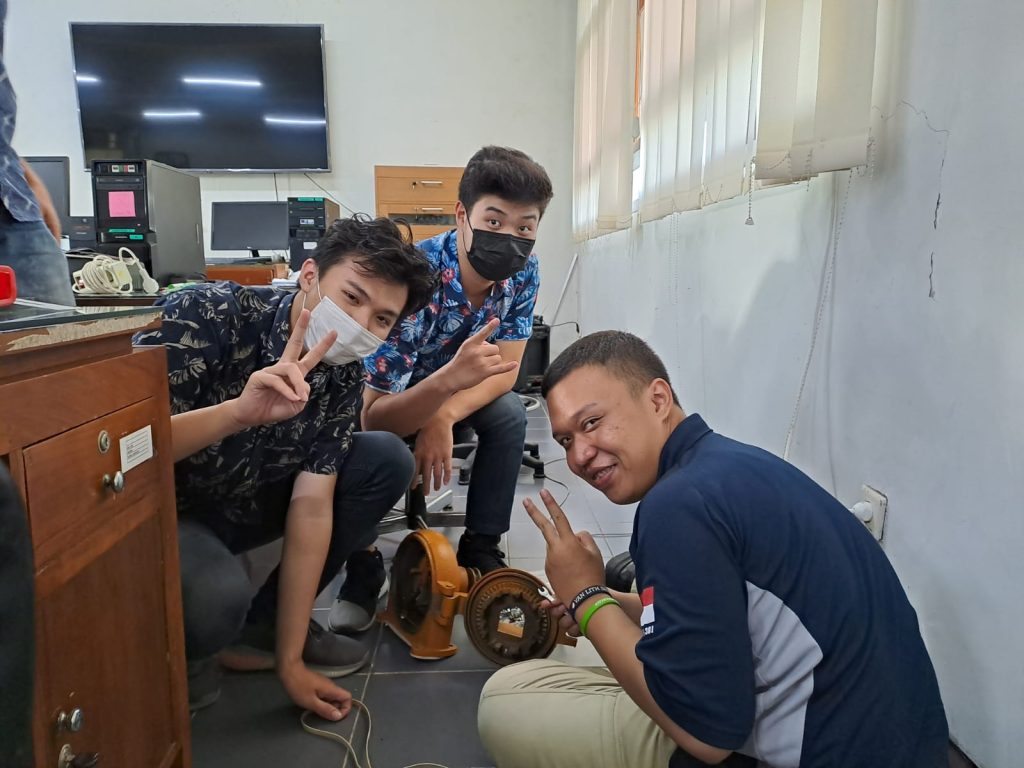
The curriculum was structured over a single semester, following a detailed 16-week syllabus that emphasized systematic project management. Students began by defining project objectives, creating a Work Breakdown Structure (WBS), and assigning roles using a RACI matrix to ensure clear responsibilities and collaborative teamwork. This foundational phase ensured that all participants understood the project’s scope and their contributions toward its success.
Key learning objectives included understanding the mechanical and electrical operation of the chili powder machine, mastering machine settings and calibration, learning operational procedures, performing maintenance, and applying project management principles within a team environment. These goals aligned with the program’s broader outcomes, such as effective cross-disciplinary teamwork, communication skills, and lifelong learning.
The design phase involved iterative development, starting with initial machine drafts and progressing through evaluations and improvements for both the dryer and crusher modules, as well as the electrical systems. Using engineering software, students created detailed 3D and 2D drawings, along with a Bill of Materials (BOM), culminating in a midterm design review that served as a key evaluation point.
Fabrication took place over several weeks, allowing for continuous refinement based on testing and feedback. Students assembled the mechanical frame, integrated electrical components, and ensured all systems functioned cohesively. Durability tests were conducted to verify optimal operating parameters, leading to further adjustments that enhanced machine performance and reliability.
The final stages included a comprehensive product evaluation, design revisions based on test outcomes, and preparation of a final report and presentation. Students demonstrated their ability to troubleshoot, optimize, and document the entire development process, highlighting their technical competencies and project management capabilities.
In conclusion, the Chili Powder Machine project successfully integrated engineering design, hands-on fabrication, and systematic testing within a structured academic framework. Participants gained practical experience in machine development, from concept to operational prototype, while strengthening essential soft skills such as collaboration, problem-solving, and technical communication. The project exemplifies how project-based learning can prepare students for complex, interdisciplinary challenges in industrial and manufacturing contexts.