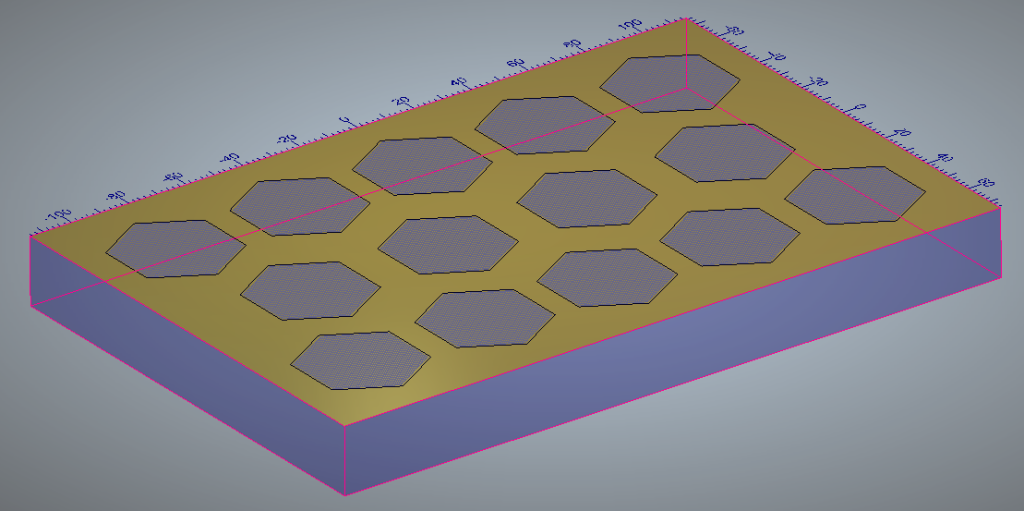
This project, conducted by Industrial Engineering students at Universitas Atma Jaya Yogyakarta, focused on the design, fabrication, and testing of a food-grade mold, specifically intended for the production of palm sugar products. The project was structured to provide students with hands-on experience in modern manufacturing processes within the context of Industry 4.0, integrating computer-aided design, manufacturing, and project management.
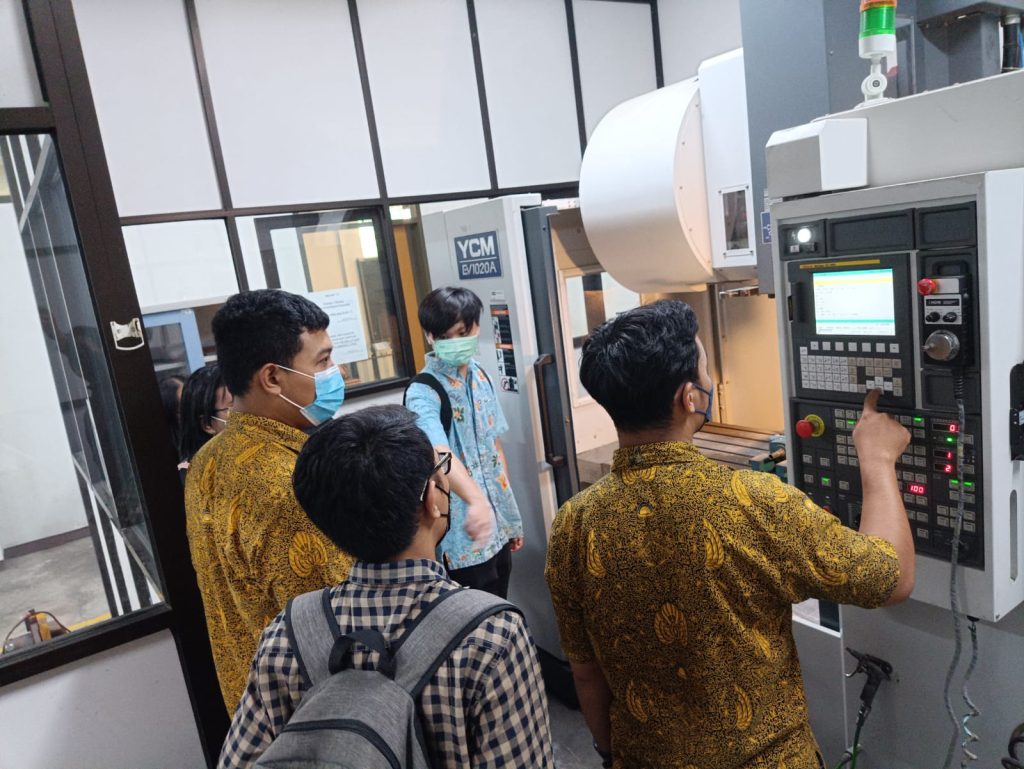
Following a structured syllabus, the project spanned one semester and was divided into systematic phases. Students began with project planning, using tools such as a Work Breakdown Structure (WBS) and a RACI matrix to define roles and responsibilities. The learning objectives were expanded to include specific technical skills: designing 2D and 3D molds using ArtCAM software, understanding CAM strategies for efficient manufacturing, operating a CNC machine, applying the Analytical Hierarchy Process (AHP) for design selection, and gaining knowledge of palm sugar food processing.
The core technical work involved creating initial mold design concepts, selecting the optimal design through AHP, and developing detailed 3D models in ArtCAM. Students then learned to generate tool paths and perform machining simulations before progressing to hands-on CNC operation, initially using dummy materials to run G-code. The fabrication phase involved producing the final mold, followed by durability testing and necessary refinements.
In conclusion, the project successfully equipped students with a comprehensive skill set spanning digital design (ArtCAM), advanced manufacturing (CNC operation), structured decision-making (AHP), and food-grade production principles. The outcome was a functional food-grade mold, demonstrating the effective integration of CAD/CAM technology and project management in developing specialized manufacturing solutions for the food industry.